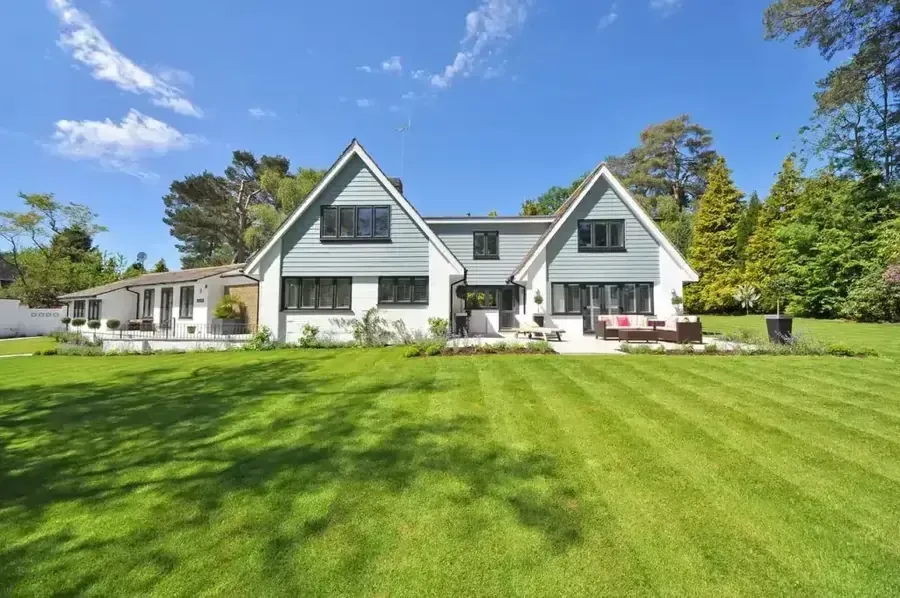
St. Paul, Minnesota
Short-Term Rental
Property Management
Full-service Airbnb and Vrbo management for St. Paul homeowners. We price, market, clean, maintain and license your short-term rental, screen every guest and answer them 24/7, while you get monthly owner reports and a 4.9-rated hosting team behind your property.
Airbnb Management in St. Paul, MN: What's Included
Kingdom Hospitality is a full-service Airbnb and Vrbo management company serving Saint Paul, Minnesota and the east metro. We handle dynamic pricing, listing marketing, guest screening, 24/7 guest communication, cleaning turnovers, monthly preventive maintenance, and St. Paul short-term rental host licensing and lodging tax compliance, so your rental earns without you running it day to day.
Founder Tim Venus and our team have managed short-term rentals for six years, with 4,000+ hosted stays, a 4.9 overall guest rating, a 100% response rate and a 0% cancellation rate. We already manage in the Twin Cities and bring the same system to St. Paul homes in Summit Hill, Highland Park, Mac-Groveland, Lowertown, Como and near downtown.
St. Paul Short-Term Rental License Rules (2026)
Under Saint Paul Legislative Code Chapter 379, any home or room rented for fewer than 30 days needs a Short-Term Rental Host License from the Department of Safety and Inspections (DSI) before it is advertised. Each unit needs its own license, renewed every year, and operating without one is a petty misdemeanor.
Owner application – only the property owner can apply, through the city's PAULIE portal, with Secretary of State business registration and an affidavit that the unit meets the city's safety requirements.
Insurance – proof of at least $300,000 in liability coverage naming the City of Saint Paul, or booking every stay through a licensed platform such as Airbnb or Vrbo.
Non-owner-occupied homes – also need a current Fire Certificate of Occupancy. Zoning caps limit how many units in larger buildings can be short-term rentals.
Records and conduct – keep a host registry of nights booked and rent paid, and no parties, weddings or commercial events.
Lodging taxes – Minnesota sales tax, the St. Paul local sales tax and the city's 3% lodging tax apply to stays under 30 days. Airbnb and Vrbo collect part of this; we confirm what is left to file.
Rules change, so confirm current requirements with St. Paul DSI before listing. We prepare the license file, renewals and tax filings for every home we manage.

Why St. Paul Owners Choose Kingdom Hospitality
St. Paul is a four-season market with steady weekday demand. Guests come for the Minnesota State Fair next door in Falcon Heights, Minnesota Wild games and concerts at Xcel Energy Center, the Saint Paul Winter Carnival, CHS Field and Allianz Field, Grand Avenue and the Cathedral of Saint Paul, plus families visiting the University of St. Thomas, Macalester and Hamline and patients at Regions and Children's Minnesota. Corporate travel to 3M, Ecolab and Securian adds midweek bookings. AirDNA data shows the average St. Paul short-term rental earning about $30,000 a year at roughly $146 per night.
Price for events and seasons – we review rates weekly around State Fair week, hockey and concert nights, graduation and Winter Carnival dates.
Fill midweek and winter – we target corporate, medical and university travelers and mid-term stays for traveling nurses.
Protect every stay – guests are screened through Superhog, and each home is monitored with Ring cameras, smart locks and smart thermostats to keep you compliant with the no-party rule.
Stay informed – monthly preventive maintenance inspections and monthly owner reports in our owner app show what your rental earned and why.
How We Manage Your Property
The most common question we get asked is "how do you manage properties anywhere in the United States"?
Systems, processes, and people.
In this video above, we give a raw look into our backend operations, showcasing exactly how we manage your property.
Otherwise, you can read our blog post on this same topic!
St. Paul Airbnb Management FAQs
Is Airbnb legal in St. Paul, MN?
Yes. Short-term rentals are allowed citywide in Saint Paul, but each unit needs a city Short-Term Rental Host License, renewed every year, and must follow zoning caps and safety rules.
How do I get a short-term rental license in St. Paul?
The owner applies through the PAULIE portal with business registration, a safety affidavit, proof of insurance or booking through a licensed platform, and a Fire Certificate of Occupancy for non-owner-occupied homes. The license fee is charged per unit and renewed annually.
Do I have to live in my St. Paul short-term rental?
No. St. Paul licenses both owner-occupied and non-owner-occupied units, but non-owner-occupied homes need a Fire Certificate of Occupancy and larger buildings face caps on how many units can be rented short term.
What taxes do St. Paul Airbnb hosts pay?
Stays under 30 days are subject to Minnesota sales tax, the St. Paul local sales tax and a 3% city lodging tax. Platforms collect some of these; the rest is filed by the owner or manager.
How much do Airbnb property managers charge in St. Paul?
Full-service short-term rental managers in the Twin Cities typically publish fees between about 15% and 30% of booking revenue, depending on what is included. Kingdom Hospitality explains its pricing openly during your free property analysis, with no hidden markups.
How much can an Airbnb make in St. Paul?
AirDNA data shows the average St. Paul short-term rental earning about $30,000 a year at roughly $146 per night, with summer and State Fair week performing best. Request a free property analysis for an estimate for your address.
When is the busy season for Airbnb in St. Paul?
Summer and late August during the Minnesota State Fair are the strongest, with spikes for hockey, concerts, graduations and the Winter Carnival. Deep winter is the slowest stretch.
What does an Airbnb property manager do?
A full-service manager runs the rental for you: listing creation and marketing, dynamic pricing, guest screening, 24/7 guest communication, cleaning and restocking, maintenance, licensing and taxes, and monthly owner reporting.